
Preimplantation Genetic Testing for Monogenic Disorders (PGT-M) and Fertility Treatment
What is Preimplantation Genetic Testing for monogenic disorders (PGT-M)
Types of PGT: PGT-A (Preimplantation Genetic Testing for Aneuploidy), PGT-M (Preimplantation Genetic Testing for Monogenic Disorders) and PGT-SR (Preimplantation Genetic Testing for Structural Rearrangements) Explained
When people first hear the term pre-implantation genetic testing, it may sound overly technical or distant. In reality, it is a method designed to bring hope to couples and single women who want to reduce the risk of passing on a known genetic condition. During an IVF cycle, embryos are created and carefully analysed before transfer. The goal is to identify embryos that are chromosomally balanced or free from a specific inherited disease, giving a better chance of a healthy pregnancy.
There are three main types of PGT, and each has a different purpose. PGT-A, or preimplantation genetic testing for aneuploidy, checks whether an embryo has the correct number of chromosomes. This helps identify embryos that are more likely to implant successfully. PGT-M, or preimplantation genetic testing for monogenic conditions, focuses on detecting single-gene mutations that can cause serious inherited diseases. PGT-SR, or preimplantation genetic testing for structural rearrangements, identifies chromosomal imbalances caused by translocations or inversions, which can lead to miscarriage or failed implantation.
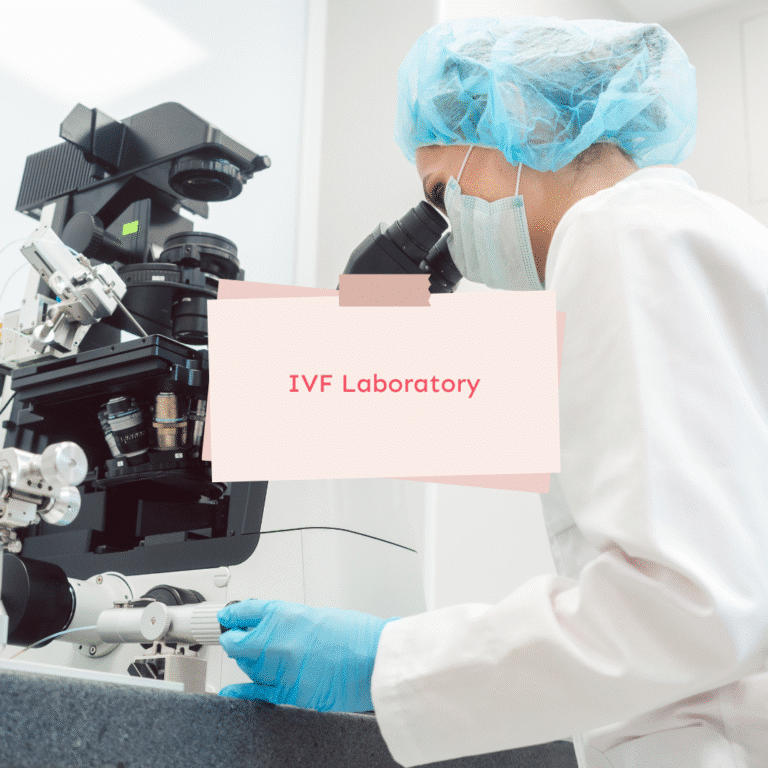
Each form of PGT serves a unique purpose, but they are all performed on embryos created through IVF. A small number of cells are taken from the embryo and analysed in a genetics laboratory. The procedure does not harm the embryo when carried out by experienced specialists, and only embryos identified as healthy are considered for transfer.
How Preimplantation Genetic Testing Works in IVF Treatment
Preimplantation genetic screening begins after the fertilisation process in an IVF cycle. Embryos are cultured for five to six days, until they reach the blastocyst stage. At this point, embryologists perform a biopsy and send the sample for detailed genetic testing using genetic technologies. The results allow doctors to select embryos free from specific genetic abnormalities or inherited diseases.
For many couples, PGT provides clarity after years of uncertainty. It is particularly valuable for those with a known family history of specific genetic disorders, repeated miscarriages, or unexplained IVF failure. Once the embryos have been tested, the unaffected ones can be frozen and transferred in a later cycle. This process improves success rates and significantly reduces the risk of transmitting a genetic disorder to the child.
Understanding PGT-M Testing for Monogenic Disorders
When a Known Genetic Mutation or Specific Inherited Genetic Condition is Detected
Some people carry a genetic mutation without showing any symptoms themselves. This can happen when a person is a carrier of a monogenic or single gene disorder. These conditions occur when a change in one specific gene causes a disease that may be inherited by future children. PGT-M, also known as preimplantation genetic diagnosis, helps detect these mutations in embryos before pregnancy begins.
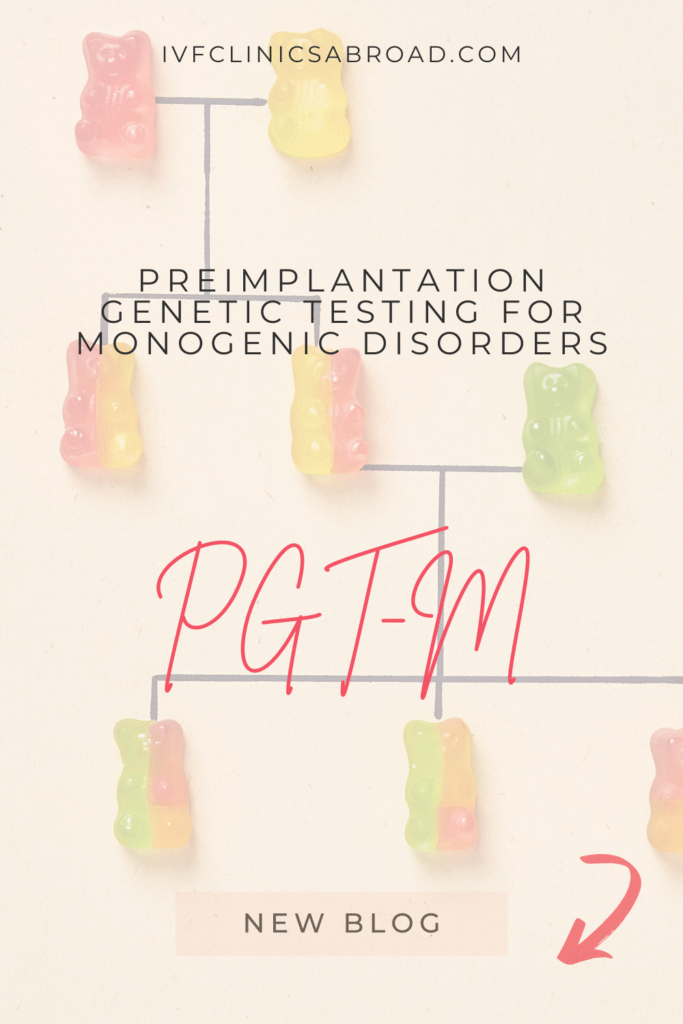
There are three main patterns of inheritance. In autosomal-recessive conditions, both parents are carriers of the same gene variant, yet they are healthy themselves. Each child has a one in four chance of inheriting the disease, examples being cystic fibrosis (CFTR mutation), spinal muscular atrophy (SMA), and certain metabolic disorders. In autosomal-dominant diseases, one copy of the altered gene is enough to cause the condition, as seen in Huntington’s disease, Marfan syndrome, or polycystic kidney disease. In X-linked disorders, the mutation is located on the X chromosome, and women are usually carriers while their male children can be severely affected. Conditions such as Duchenne muscular dystrophy and Fragile X syndrome belong to this group.
PGT-M allows laboratories to analyse a small piece of genetic material from each embryo and detect whether the known mutation is present. Only embryos without the mutation are selected for transfer, which prevents the transmission of the disease to the next generation.
Testing Embryos for Specific Inherited Genetic and Monogenic Diseases
When families have a known genetic risk, testing embryos becomes an act of prevention rather than reaction. Modern laboratories use genetic testing methods such as next-generation sequencing to detect monogenic disorders with extraordinary precision. Each embryo is analysed using genetic testing and compared against the parental DNA to ensure accuracy.
“Genetic testing is not about striving for perfection, it is about giving your future child the chance to start life without the weight of an inherited disease.“
Nathalie Wiederkehr
Genetic Counseling and Fertility Planning
The Role of a Genetic Counselor in Fertility Treatment and Genetic Health
Before starting preimplantation genetic testing, every couple or single woman should receive professional genetic counseling. A genetic counselor explains what the test can and cannot detect, discusses the type of PGT required, and helps interpret results. They also provide emotional support, as decisions related to genetic health and parenthood can feel overwhelming.
Genetic counselors often collaborate with fertility specialists and embryologists. Together they design a testing plan that matches the family’s specific genetic risks. Their guidance ensures that all ethical and medical aspects are understood before starting the IVF process.
When to Consider Advanced Genetic Testing and the Range of Genetic Analysis Available
Advanced genetic testing is usually recommended when a serious genetic condition runs in the family, or when other fertility treatments have failed without clear reason. In some cases, the use of preimplantation genetic testing helps identify chromosomal abnormalities that are invisible under a microscope. The range of genetic tests available today can detect everything from single gene disorders to complex chromosomal rearrangements.
The goal is never perfection but prevention. Using genetic techniques provides peace of mind and helps reduce the emotional and physical burden of repeated failed IVF attempts.
PGT-SR and Other Structural Rearrangements
Preimplantation Genetic Testing for Structural Rearrangement (PGT-SR) and Genetic Condition Screening
Some people carry what is called a structural rearrangement in their chromosomes. This means that pieces of genetic material have exchanged positions, which may not cause symptoms in the carrier but can lead to unbalanced embryos. Preimplantation genetic testing for structural rearrangement, or PGT-SR, helps identify which embryos are chromosomally normal.
PGT-SR is often advised for couples with a history of miscarriage or previous IVF cycles where embryos failed to develop. Detecting these rearrangements prevents transferring embryos with severe chromosomal abnormalities.
How PGT-M and PGT-SR Differ in Detecting Monogenic and Structural Genetic Disorders
While both PGT-M or PGT-SR involve the analysis of embryos, they target different genetic risks. PGT-M focuses on detecting a specific gene mutation, while PGT-SR identifies large chromosomal rearrangements. In many fertility clinics, both methods can be combined when there is a mixed risk, known as PGT-M and PGT-SR combined testing.
Understanding which type of PGT is appropriate depends on the family’s medical background, their known genetic history, and the recommendation of the genetic counselor.
When PGT-M Offers Hope for Families with Inherited Conditions
Why PGT-M and Inherited Genetic Disorders Can Be Life-Changing
For families affected by inherited conditions, preimplantation genetic testing is not only a medical tool but also a source of hope. It allows parents to have biological children without the fear of passing on a disease that has caused suffering in their family for generations. In recent years, more couples have turned to IVF with PGT-M when they cannot access such testing in their home country. For them, it is a way to protect their child’s future and break the chain of inherited disease.
PGT-M testing is particularly valuable for carriers of autosomal-dominant mutations with incomplete penetrance or X-linked mutations, where predicting the severity of the disease is difficult. In such cases, genetic testing offers a safe and ethical way to ensure that only healthy embryos are transferred.
Examples of Monogenic Diseases and Specific Inherited Genetic Conditions Tested with PGT-M
Typical diseases that can be screened with PGT-M include cystic fibrosis, spinal muscular atrophy, Duchenne muscular dystrophy, Marfan syndrome, BRCA1 and BRCA2 mutations associated with hereditary breast and ovarian cancer, and polycystic kidney disease. In all these cases, the mutation responsible for the condition is known, and testing does not require invasive prenatal testing later in pregnancy.
Each year, new genetic variants are added to the list of testable conditions as technology evolves. The European Society for Human Reproduction and Embryology (ESHRE) publishes PGT Consortium Good Practice Recommendations that help clinics maintain consistent and reliable laboratory standards. These guidelines for clinical preimplantation genetic diagnosis are followed by most reputable European clinics.
PGT-M can also be used for adult-onset conditions, such as hereditary cancer syndromes, where parents wish to avoid transmitting the risk to their children.
Finding the Right Fertility Clinic for PGT-M in Europe
How to Access Reliable PGT-M Fertility Treatment and Professional Genetic Counseling
Preimplantation genetic testing is available in several European countries, though regulations and eligibility criteria differ. In many cases, patients travel abroad to access PGT-M because their home country may not authorise it for specific indications. A reliable clinic will always combine IVF with professional genetic counseling and full transparency about the process, costs, and expected results.
When choosing a fertility clinic for PGT-M, look for experience in genetic testing of embryos, collaboration with certified laboratories, and a clear communication process between medical and genetic teams. The best centres offer a personal approach, supporting each patient through the emotional and medical journey.
Choosing Clinics Experienced in Advanced Genetic Testing and Fertility Treatment
The choice of clinic can significantly influence the success of treatment. Clinics that specialise in PGT for monogenic and structural conditions usually achieve higher accuracy and better results. It is essential to work with a centre that understands both the emotional side of the journey and the complexity of genetic science.
Every year, I speak with women and couples who have been told at home that nothing more can be done. Yet, after travelling abroad for treatment, they finally receive clear answers and find hope again.
If you are considering PGT-M or another type of preimplantation genetic testing, you can explore my Guide to IVF Destinations in Europe. It explains where advanced genetic testing is available, what average success rates look like, and how to prepare for your trip. You can also book a private consultation if you wish to discuss your individual situation in more detail and find a trusted clinic that matches your needs.