Dual Stimulation IVF – What Duostim Means For Women With Low Ovarian Reserve
Understanding the Duostim protocol
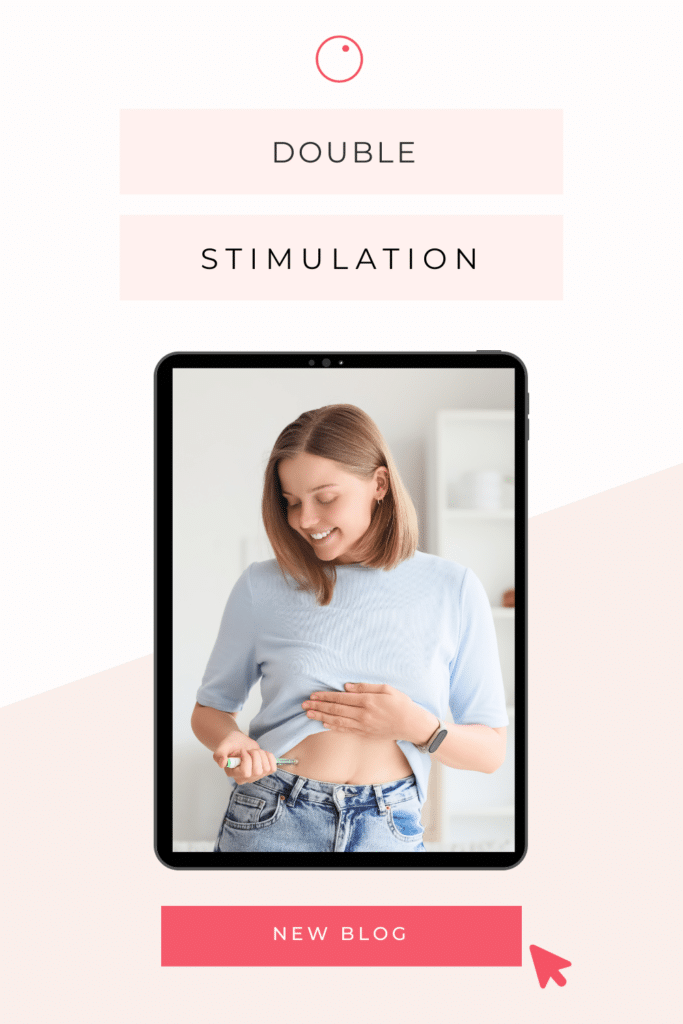
When you first hear about the Duostim protocol, it can sound a little unexpected. Most IVF treatments involve a single round of ovarian stimulation in one menstrual cycle, but Duostim includes two. One stimulation occurs in the follicular phase and another in the luteal phase of the same ovarian cycle. This approach helps doctors collect eggs twice within a month, which can make a real difference for women with low ovarian reserve or poor ovarian response.
The idea behind this technique, sometimes referred to as Duostim or double stimulation, is based on the understanding that follicle development happens in more than one wave during the menstrual cycle. By stimulating the ovaries twice, fertility specialists can maximise the number of oocytes retrieved without waiting for a new period to start. Each round is supported by hormonal medication and monitored through ultrasound to track follicle growth and hormone levels such as FSH and estradiol.
What makes dual stimulation different from traditional stimulation protocols
Traditional IVF protocols include one controlled ovarian stimulation, one egg collection, and then a waiting period until the next menstrual cycle begins. With Duostim, both phases happen within the same month. The first stimulation begins early in the cycle, and the second round of stimulation starts only a few days after the first egg retrieval.
For women with diminished ovarian reserve or poor responders, this can double the number of oocytes retrieved in a shorter time. The embryos created from both collections are then frozen through vitrification for later embryo transfer. Because the uterine lining is not ready during the luteal phase, a freeze-all strategy ensures that transfers happen under the best hormonal conditions in a future cycle.
Why the implementation of Duostim is becoming more common in fertility treatment
The adoption of Duostim has increased in fertility clinics worldwide, particularly for fertility preservation and IVF purposes. It offers a way to shorten treatment time while collecting a higher number of mature eggs. Studies have shown that luteal-phase ovarian stimulation produces oocytes of comparable quality to those collected during follicular stimulation.
This shift in IVF protocols allows specialists to offer more personalised treatment options. Many clinics use this dual approach to help women with low ovarian reserve or those preparing for medical procedures that could affect fertility. The combination of time efficiency, higher embryo yield, and stable egg quality makes Duostim an important addition to modern fertility treatment.
How double ovarian stimulation works in IVF
In a Duostim cycle, two rounds of ovarian stimulation take place within the same menstrual cycle. The first is the follicular phase stimulation, which starts on day two or three of the period. After about ten to twelve days of medication, the eggs are collected in a short procedure under mild sedation.
Instead of waiting for a new cycle, the second stimulation begins within a few days, during the luteal phase. Hormonal medication helps a new group of follicles develop, taking advantage of the body’s natural rhythm. Each phase of stimulation is individually adjusted according to how the ovaries respond to medication, ensuring safety and optimal results.
The two phases of the stimulation protocol and what to expect
The first ovarian stimulation encourages multiple follicles to grow simultaneously. Once they reach maturity, the eggs are retrieved, fertilised in the laboratory, and cultured to the blastocyst stage. The second ovarian stimulation starts soon after, focusing on a new set of follicles that develop naturally in the luteal phase.
During both stimulations, doctors monitor hormone levels and follicle size through ultrasound scans. The goal is to maximise the number of oocytes retrieved from both phases without over-stressing the ovaries. Controlled ovarian stimulation in each phase allows doctors to adapt medication doses based on how the ovaries react.
How the Duostim protocol fits into a single ovarian cycle
The Duostim protocol uses two biological windows within one cycle, follicular and luteal. This approach, also known as the Shanghai protocol, helps to collect more eggs in less time. It can be particularly helpful for women undergoing IVF who cannot afford to lose months between cycles.
Because stimulation occurs twice within the same cycle, time efficiency improves while maintaining good embryo quality. The embryos produced through this protocol are frozen and later transferred once the uterus is hormonally synchronised. This dual ovarian stimulation allows patients to build a higher embryo reserve for future use, whether for immediate IVF or fertility preservation.
Who can benefit from dual stimulation
Duostim is especially valuable for women with diminished ovarian reserve, poor ovarian response, or those who have previously achieved few eggs in conventional IVF. It can also be an option for fertility preservation when time is limited.
Patients with low ovarian reserve or poor ovarian response
Women with low ovarian reserve often face the challenge of producing only a few mature eggs per cycle. For these patients, two stimulations within one menstrual cycle can almost double the total number of oocytes retrieved. This is particularly relevant for women in their late thirties and forties, where egg quality naturally declines and every additional oocyte counts.
The cumulative treatment outcome improves when more embryos are created, giving more opportunities for embryo transfer later. Doctors often recommend this protocol to poor prognosis patients who have not responded well to traditional IVF.
The advantage of Duostim for fertility preservation and IVF purposes
Duostim is also widely used for fertility preservation. Women who wish to freeze their eggs, for example before cancer treatment or other medical procedures, can complete two retrievals in one month. Each cycle increases the number of frozen eggs available for the future.
This approach is considered a protocol for fertility preservation because it shortens the overall process while maintaining egg quality. Using vitrification, the frozen eggs or embryos remain stable until the patient is ready for transfer. Many fertility clinics consider Duostim an advanced yet patient-friendly strategy that combines efficiency and safety.
“When time matters and every egg counts, Duostim gives women with low ovarian reserve a real chance to move forward without waiting.“
Nathalie Wiederkehr
Comparing Duostim with traditional stimulation protocols
When doctors compared Duostim with single conventional stimulation, they found that it often results in more embryos and a higher cumulative success rate. Although it involves more medication and monitoring, the time savings and increased embryo yield can make the process emotionally easier for patients.
Differences in timing, medication and embryo outcomes
In traditional IVF, stimulation begins at the start of a menstrual cycle and is followed by a single egg collection. Duostim combines two phases, follicular and luteal. The second round of stimulation starts shortly after the first egg collection, taking advantage of another follicular wave.
Embryos from both stimulations are frozen, as the endometrium is not ready for immediate transfer. Studies confirm that embryo quality from luteal-phase stimulation is comparable to that from follicular stimulation. The number of oocytes retrieved from both phases is usually higher than in any single stimulation cycle, improving the overall chances of success in IVF.
What studies say about live birth rate and double stimulation cycles
Clinical studies show that the live birth rate per patient after Duostim is similar to or slightly higher than after two separate traditional IVF cycles. The higher embryo yield increases cumulative success rates, giving patients more opportunities for transfer.
Although egg quality is not directly changed by the protocol, the increase in embryos available for transfer makes a clear difference. The treatment outcome depends on age, hormone levels, and ovarian response, but time efficiency remains one of the greatest advantages. For many patients, knowing that two rounds of ovarian stimulation can be completed within one menstrual cycle offers new hope and confidence in the process.
Practical aspects and clinic experience
Clinics that offer Duostim follow a structured plan to ensure that both stimulations are well tolerated. Medication doses are adjusted between phases, and each cycle is closely monitored through ultrasound and hormone testing. The process is demanding but manageable, as both egg collections occur within weeks rather than months.
From a patient’s perspective, the recovery period between the two stimulations is short, and the second response is often smoother because the ovaries are already active. The goal is to balance efficiency and comfort while maintaining embryo quality.
How fertility clinics use the Duostim protocol in daily practice
Not all fertility centres offer Duostim, as it requires experience and good coordination between doctors and embryologists. Clinics that do apply it usually include it in their advanced IVF programs for women with low ovarian reserve or for fertility preservation.
Embryos created in these programs are fertilised, cultured to the blastocyst stage, and then frozen using vitrification. Transfers take place later, once the endometrium is fully prepared. This time-efficient IVF protocol allows clinics to help patients complete treatment faster and with more embryos available for selection.
What to discuss with your doctor before starting dual stimulation
Before starting dual stimulation, it is important to discuss expectations with your fertility specialist. Your doctor will evaluate ovarian reserve, hormone levels, and previous IVF results to decide whether this protocol is appropriate.
Ask about medication schedules, costs, and how the clinic manages embryo freezing. Some clinics may also use luteal-phase stimulation in egg donor programs, though this is carefully regulated. Understanding these details helps you feel informed and secure during treatment.
Planning the next step in your fertility journey
Choosing the right IVF protocol depends on your medical history and your response to previous stimulation. Duostim can be a powerful option for women with low ovarian reserve, but it is not suitable for everyone. A trusted fertility specialist will help you decide what makes sense in your situation.
Your IVF journey can feel easier when you understand how modern protocols work. Advances like Duostim and other controlled ovarian stimulation methods give women more options to build their families without unnecessary delays.
If you want to explore where different IVF treatments are available in Europe, my IVF Guide offers an overview of the main destinations, including treatment options, typical success rates, and average costs.
If you prefer personal guidance, you can book a private 1:1 consultation. Together we can look at your situation and find trustworthy clinics that align with your medical and emotional needs.