IVF with Endometriosis: Understanding Fertility Challenges and Real Success Rates
For many women, the journey to an endometriosis diagnosis is long and confusing. Years of painful periods, fatigue and discomfort are often dismissed as normal. Only when pregnancy doesn’t happen does someone finally take a closer look. If you are one of the many women with endometriosis trying to get pregnant, you are not alone, and there are ways forward. IVF has helped thousands of women in your situation. The key is understanding what endometriosis does, how it affects fertility, and which treatment plan offers the best chance of success.
What Endometriosis Really Is and Why It Can Affect Fertility
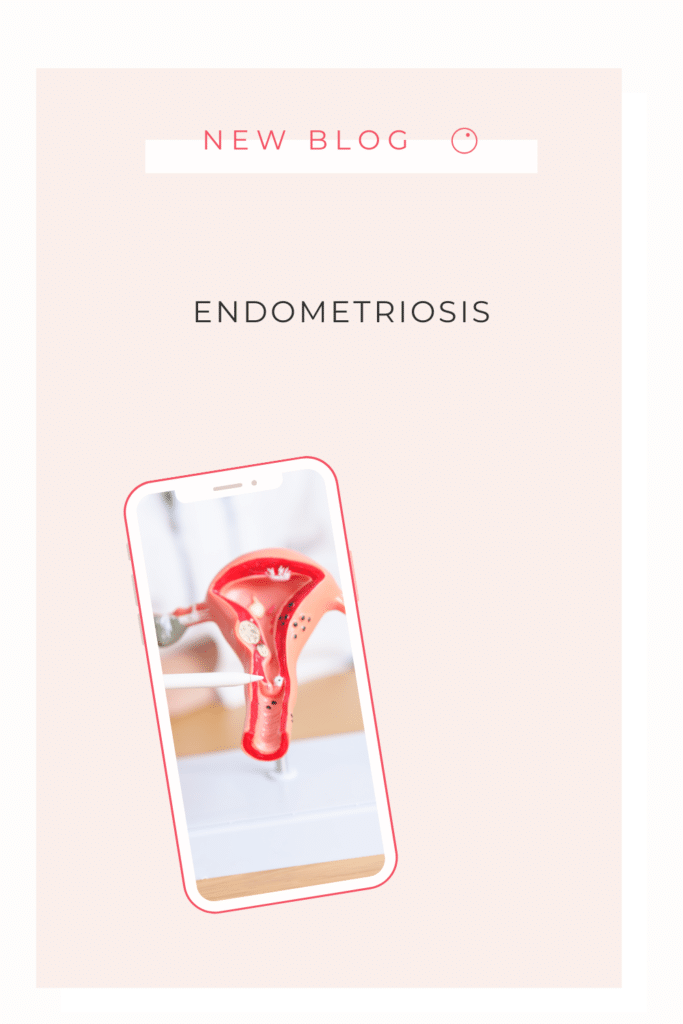
Endometriosis is a condition in which tissue similar to the lining of the uterus grows outside it. These cells respond to monthly hormones, just like the lining inside the womb, but when they bleed, there’s nowhere for the blood to go. Over time this can cause inflammation, scarring and cysts around the ovaries or fallopian tubes.
Some women have very visible endometriosis growth that can be seen during surgery, while others have invisible inflammation that still affects fertility. Endometriosis can make it harder for the egg to mature properly or to travel through the fallopian tubes. It can also change the uterine environment, making implantation more difficult.
There are several stages of endometriosis, from minimal or mild endometriosis, where small patches are present, to moderate and severe endometriosis, where scar tissue and cysts (often called endometriomas) distort the reproductive organs. Yet the severity of symptoms doesn’t always match the stage. Some women with mild endometriosis suffer intense pain, while others with severe endometriosis may feel little at all. What matters most is how the condition affects your ovaries, tubes and uterus, and this can only be understood through proper medical assessment.
Getting a Clear Diagnosis
For years, many women with endometriosis have been told that their pain was normal or psychological. This delay in diagnosis is one of the most frustrating parts of the condition. If you suspect endometriosis, the first step is a detailed consultation with a fertility specialist who truly understands the disease.
Diagnosis usually involves an ultrasound scan to check for ovarian cysts and sometimes an MRI to assess the extent of endometriosis. In certain cases, a minor surgical procedure called laparoscopy is used. It allows doctors to see the pelvis directly and confirm the diagnosis. While surgery might sound scary, it remains the most reliable way to understand how extensive endometriosis is and how much it might affect fertility.
Knowing your stage of endometriosis helps to plan the right treatment. Mild endometriosis may not need immediate surgery, while moderate to severe endometriosis often benefits from removing cysts or scar tissue before trying to conceive.
“Endometriosis can make the path to pregnancy longer, but it does not take motherhood away.“
Nathalie Wiederkehr
Treatment Options Before IVF
Endometriosis can be managed, and fertility can often be improved with the right treatment plan. For some women, hormonal medication helps slow the growth of lesions and reduce inflammation. This can temporarily stop ovulation, giving the body time to recover before starting IVF. For others, surgery for endometriosis is recommended to remove larger cysts or adhesions that might block the fallopian tubes or make egg retrieval difficult.
After surgery, fertility sometimes improves naturally for a few months. Doctors often suggest trying to conceive soon after recovery, as the ovaries tend to respond better in this window. However, if natural conception doesn’t happen or if endometriosis is causing significant damage, IVF may be the next logical step. The timing of when to start IVF is a personal decision, guided by your age, ovarian reserve and the extent of endometriosis.
How IVF Helps When You Have Endometriosis
IVF (in vitro fertilisation) is one of the most effective fertility treatments for women with endometriosis. It bypasses many of the obstacles caused by the disease, such as blocked fallopian tubes or inflammation around the ovaries. During IVF, your ovaries are gently stimulated to produce several eggs. These eggs are collected, fertilised in the laboratory, and grown into embryos. The healthiest embryos are then transferred into the uterus.
The IVF process for women with endometriosis can be slightly different. Doctors often adjust medication doses, monitor hormone levels carefully and sometimes use longer down-regulation protocols to calm the inflammation before stimulation starts. This helps improve the uterine environment and the quality of eggs collected.
If you have severe endometriosis or endometriomas on your ovaries, your doctor might recommend surgery before IVF to make egg retrieval safer and more effective. Although each situation is unique, many women see good results once inflammation is controlled and hormone levels are balanced.
What Success Rates Really Mean
Reading about IVF success rates can be confusing and sometimes frightening. You may see statistics suggesting that women with endometriosis have lower implantation rates or a reduced chance of pregnancy compared with women without endometriosis. While this can be true in advanced cases, it is not the full picture.
Women with mild or moderate endometriosis often achieve similar success rates to other IVF patients, especially when the treatment is adapted to their needs. Even in severe cases, the success of IVF has improved significantly thanks to modern techniques such as blastocyst culture, genetic testing and improved embryo selection. The key is choosing an IVF clinic that understands endometriosis and offers truly personalised care.
It’s important to remember that every woman’s body responds differently. Endometriosis may influence how many eggs are collected or how embryos implant, but it does not remove the possibility of a successful IVF outcome. Thousands of women with endometriosis become mothers every year through IVF, sometimes after years of struggle.
Managing Endometriosis During IVF
Going through IVF while managing endometriosis can feel overwhelming, but it helps to know what to expect. Some women worry that stimulation might make their symptoms worse. While hormonal changes can temporarily increase discomfort, careful medication planning usually keeps symptoms under control.
Your fertility specialist might suggest specific supplements to improve egg quality or medication to support implantation. Gentle lifestyle adjustments also help, such as reducing stress, improving sleep and eating anti-inflammatory foods. Managing endometriosis symptoms during the IVF journey is not only about the body but also about emotional balance. Knowing what’s happening inside your body can take away much of the fear.
When Endometriosis Affects the Ovaries and Tubes
In some cases, endometriosis involves the ovaries or fallopian tubes so strongly that natural conception becomes almost impossible. Cysts called endometriomas can interfere with ovulation, and scar tissue can block the tubes. This doesn’t mean pregnancy is out of reach. IVF helps by working around these obstacles.
For women whose ovaries have been affected by previous surgery or inflammation, mild stimulation protocols can help preserve the remaining egg reserve. In other situations, doctors may recommend freezing eggs or embryos for later use, especially if another operation is planned. The goal is always to improve fertility for women in the long term, not only for one IVF cycle.
Emotional Side of Endometriosis and IVF
Living with endometriosis can be emotionally exhausting. Many women spend years coping with pain, uncertainty and the feeling that their body is working against them. Starting IVF often brings new hope, but also fear of disappointment. It’s completely normal to feel both.
Talking openly with your medical team about your concerns helps. Many fertility clinics now include counselling or support groups for women undergoing IVF with endometriosis. Sharing experiences with others who truly understand what you’re going through can make a big difference. Remember that the goal of IVF is not only a pregnancy test but also restoring your sense of control over your body and your future.
Hope and Realistic Expectations
While endometriosis can make the road to motherhood longer, it does not make it impossible. In fact, IVF success rates for women with endometriosis continue to improve as technology advances. The combination of good medical care, a tailored treatment plan and emotional support can turn years of frustration into real hope.
If you have been told that endometriosis is causing your infertility, don’t lose heart. The condition is complex but manageable, and with the right approach, many women go on to have healthy pregnancies. What matters most is finding a clinic that understands the nuances of endometriosis and offers an IVF treatment that fits your body, not a standard protocol.
Taking the Next Step in Your IVF Journey
If you are considering IVF with endometriosis, it helps to understand what treatments are available in different countries and how clinics approach this condition. If you are looking for a fertility clinic abroad, I can support you in finding the right place for your situation. I am not a doctor and do not offer medical advice, but I can help you navigate the options, understand average success rates and compare what different destinations offer. You do not have to figure it all out alone.