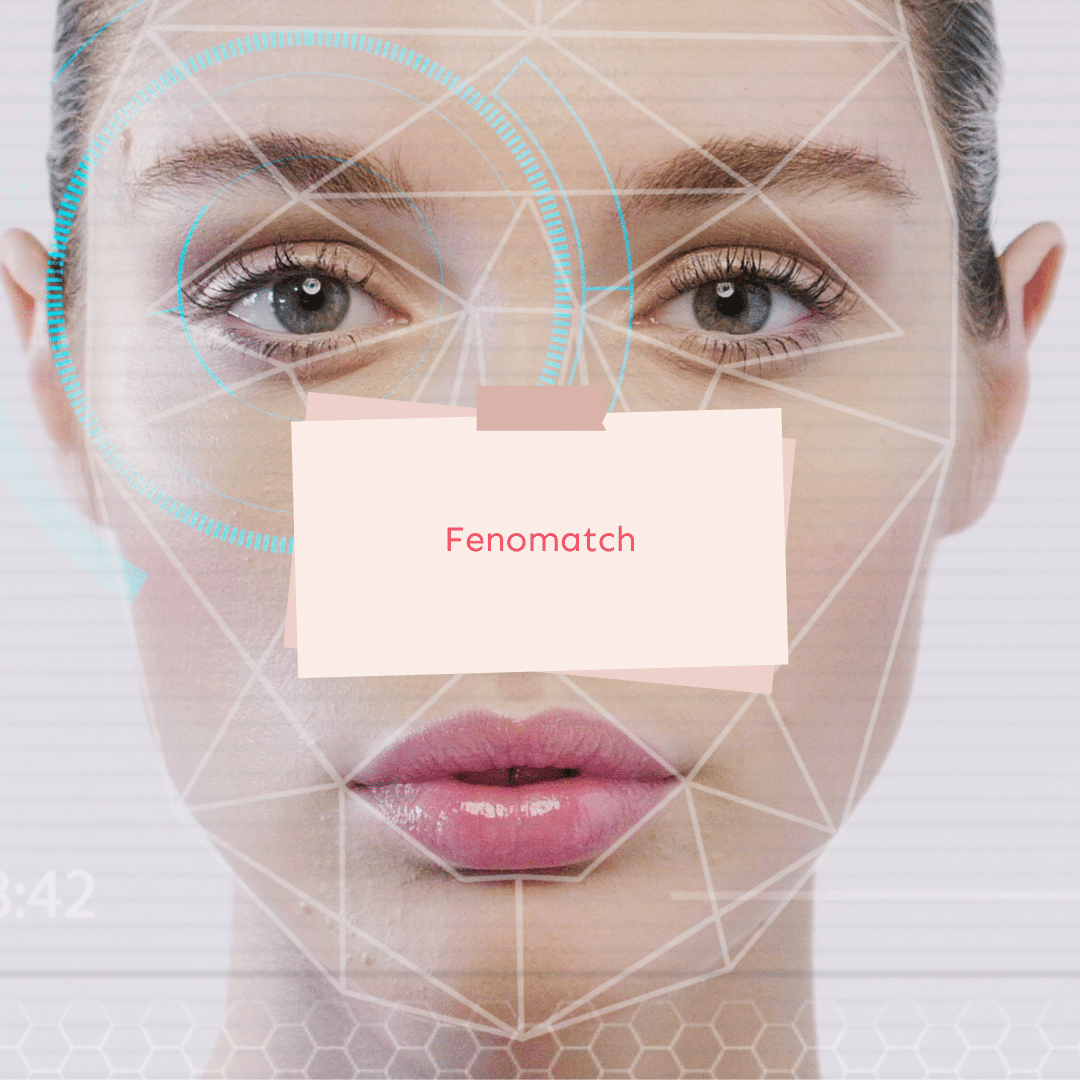
How Fenomatch Helps IVF Clinics Find the Right Egg Donor for You
Many women who consider egg or embryo donation wonder if their future child will somehow look like them. It is a very human question, and one that goes beyond genetics. Today, several fertility clinics use technology to make this part of the donor selection process a little easier. One of these tools is called Fenomatch. It helps clinics compare thousands of potential donors to find the one who most resembles the patient’s face, using a mix of artificial intelligence, biometrics and phenotype analysis.
This article explains in simple words how Fenomatch works, what it can and cannot do, and why it is becoming part of donor selection in many IVF clinics around the world.
How clinics use Fenomatch in donor selection
Choosing a donor can feel like one of the most personal parts of fertility treatment. For many women, it is not just about medical compatibility, it is also about finding a donor who feels right. This is where Fenomatch comes in. The platform was created in Spain and is now used by clinics around the world to support donor selection in egg or sperm donation. It combines artificial intelligence with facial matching technology, helping the medical team analyse photographs of donors and compare them with the patient’s face.
Clinics use Fenomatch to make the selection process more objective and to reduce the emotional pressure of choosing from a large donor database. The system can process thousands of potential donors within seconds, showing which ones share similar facial features or phenotypic traits, such as hair colour, eye colour or overall facial resemblance. Fenomatch does not replace the clinic’s medical or genetic testing, but it helps the team choose the most suitable donor by adding an extra visual layer to the decision.
For most patients, this is reassuring. They know that their clinic uses advanced tools to make the process more transparent, while still protecting their privacy. According to the product owner at Fenomatch, all data is encrypted and deleted after the facial comparison. The algorithm that helps doctors find potential donors only works within a secure, GDPR-compliant system.
Understanding what Fenomatch actually does
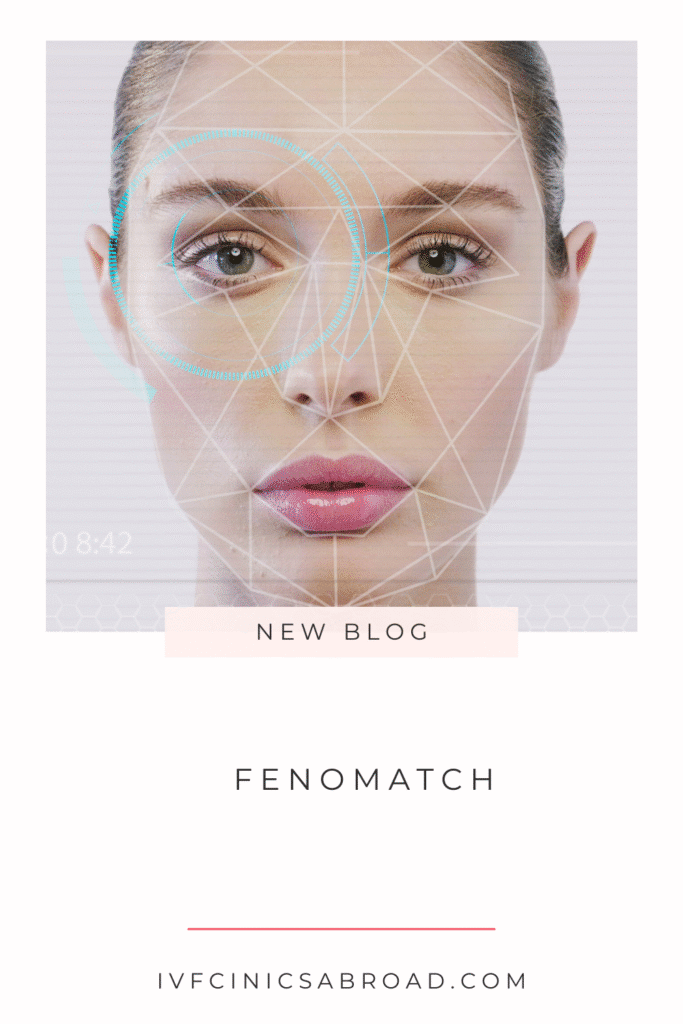
Fenomatch works with egg or sperm donors who are already in the clinic’s donor database. The medical team uploads a recent photo of the patient, and the platform performs a biometric comparison with photographs of the donors. Each donor receives a so-called Fenomatch score, based on facial resemblance to the recipient and phenotypic matching. The higher the score, the greater the similarity in facial features such as the shape of the eyes, lips, jawline and overall structure.
The system does not judge beauty or appearance. It simply measures facial geometry using more than 12,000 data points. The goal is to find the donor with the greatest facial similarity to the patient, not to create a “clone”, but to help the clinic choose the donor that looks like the recipient in a natural, balanced way. Fenomatch can be used for both egg or sperm donation, and it supports clinics in Spain and other countries where assisted reproduction is legally regulated.
However, Fenomatch says nothing about the donor’s personality, character, or values. These are deeply human qualities that no technology can measure. That is why the final decision is always made by people – not algorithms.
Why many fertility clinics started using digital donor matching
Until recently, most fertility clinics and banks relied on manual comparison during the donor selection process. Coordinators would look at phenotype descriptions, hair type, eye colour and ethnicity, and then choose a donor who seemed to fit. But with hundreds or even thousands of profiles, this task became increasingly complex.
Digital donor matching changed this. By allowing clinics to use Fenomatch, the process became faster and more consistent. Clinics in Spain were among the first to integrate the Fenomatch platform into their daily work, and many others soon followed. For them, it is not only about saving time. It is also about offering their patients peace of mind, knowing that the donor selection is handled with care and supported by science.
Some of the first Fenomatch babies were born a few years ago, and many clinics now report positive experiences. The platform does not promise perfection, but it gives both patients and clinics a tool that makes the process more transparent. Patients appreciate that they can trust the clinic to find a suitable donor through phenotypic and biometric comparison rather than intuition alone.
How facial matching helps find a donor that looks like you
One of the most common questions women ask during egg donation or embryo donation is whether their future child will somehow resemble them. It is a thought that often comes up late at night, when you imagine the face of your baby and wonder if you will see something familiar in it. Fenomatch was designed to respond to this emotional need, using facial matching to identify a donor who looks most like you.
In the past, clinics could only rely on phenotype descriptions such as eye colour, hair type or skin tone. Today, with tools like the Fenomatch platform, it is possible to go beyond these basic traits. The algorithm analyses facial features from both the patient and the donors, comparing elements like cheekbones, eyes, and mouth to create a detailed picture of resemblance. This process gives the medical team another layer of information when choosing the donor that’s right for you.
Fenomatch works only with photos approved by the clinic, never directly uploaded by the patient. The goal is to make sure that each match remains anonymous and ethical. The technology is available in many IVF clinics and fertility clinics that work with egg or sperm donors, and its use is strictly limited to the donor selection process.
“Fenomatch compares faces, not personalities, and that is something no technology can ever replace.“
Nathalie Wiederkehr
What facial matching means in simple terms
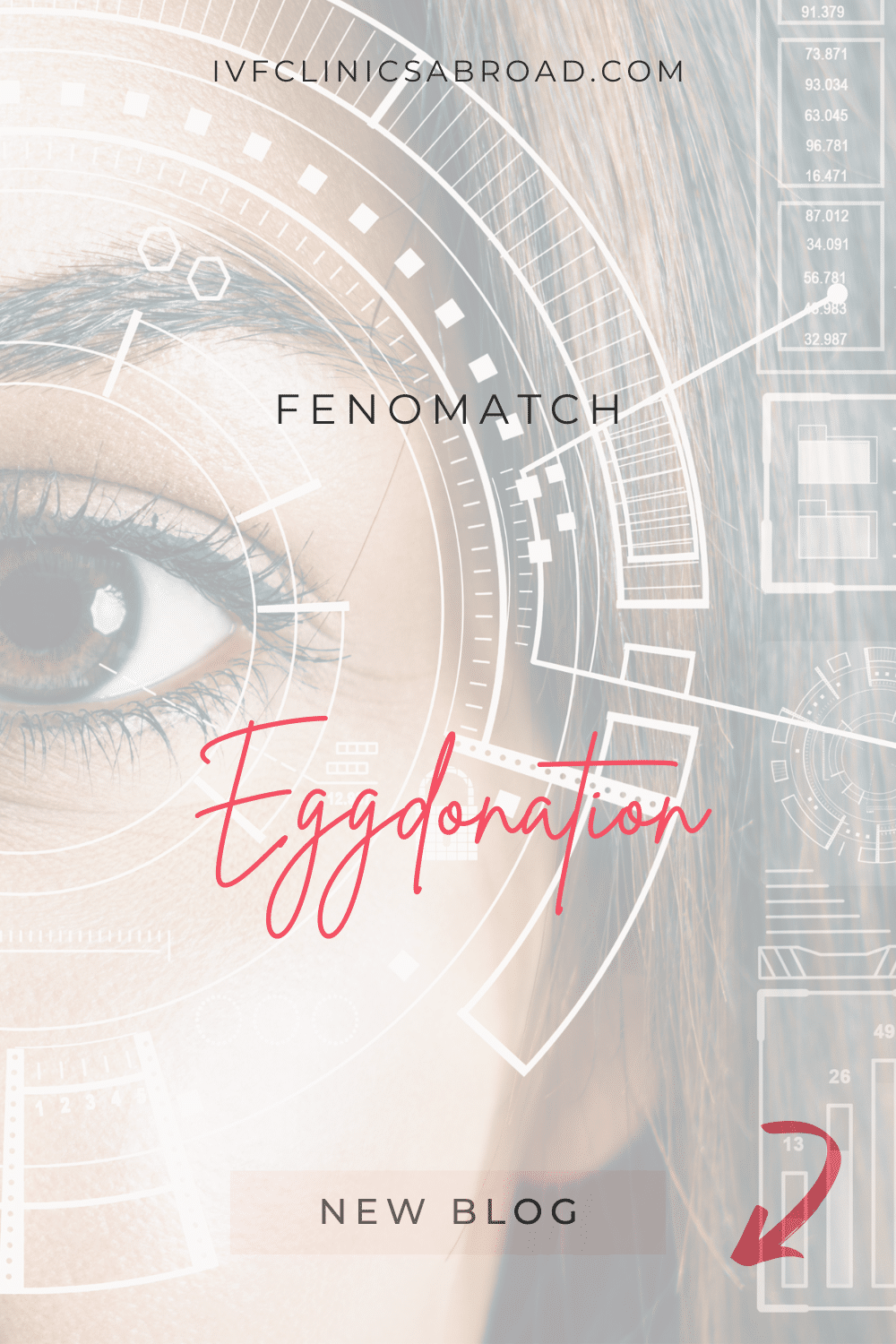
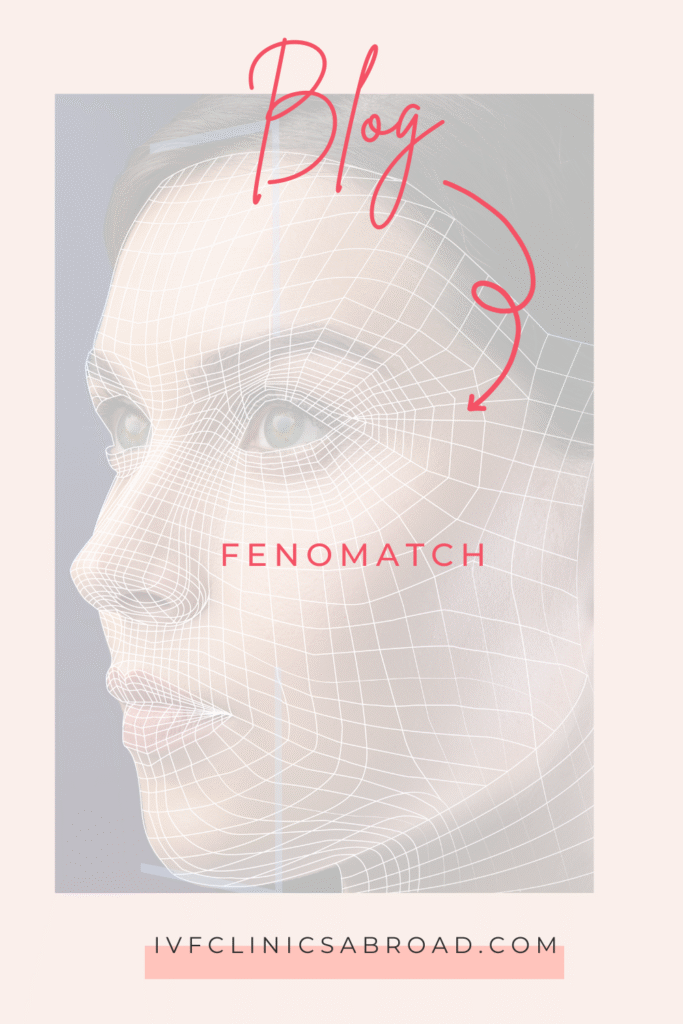
Facial matching means comparing two faces using precise biometric measurements. Fenomatch performs the facial matching automatically, through an intelligence-based platform for fertility clinics. The program identifies points on the face – similar to how your phone recognises your face to unlock it – and compares them to thousands of donors registered in the donor database. The result is a list of potential donors with a high level of facial resemblance to the recipient.
The product owner at Fenomatch explains that this technology helps doctors choose the best possible donor for each patient, based not only on physical features but also on phenotypic compatibility. The better the selection, the higher the chance that the child will share similar facial features with the intended parent. Still, it is important to remember that appearance is just one part of a complex process. Genetics, environment and life experiences all influence how a child will look as they grow, and many studies on facial features after birth confirm that resemblance can appear or fade naturally over time.
Fenomatch helps clinics perform the facial matching in a structured and scientific way, reducing the uncertainty that can come with a very large number of donors. This does not mean that the system chooses the ideal donor automatically. It supports the clinic’s medical team during the donor selection process, making it easier for them to find a donor who shares visible traits with the patient while still fulfilling all medical and legal requirements.
Why a donor who looks like you matters to many women
For some women, facial resemblance provides a quiet sense of connection. When you look at your baby, you want to recognise something familiar, even if the genetics come from an egg donor or sperm donor. It is a deeply emotional wish, not a superficial one. Fenomatch does not guarantee this resemblance, but it gives you a chance to feel more comfortable with the process. It helps you find the donor that looks like you in a natural and realistic way.
In counselling sessions, many patients say that this technology gives them peace of mind. It allows them to trust that the clinic has taken time to choose the most suitable donor, not just the first available one. It is also a way for clinics to show that they take each patient’s situation seriously. By using Fenomatch, they acknowledge that appearance and identity play a role in how families are formed through assisted reproduction.
Of course, physical resemblance is not everything. Fenomatch only compares faces and phenotypic traits, not personalities or character. It cannot predict the warmth in someone’s smile or the way a child will express emotions later in life. These human aspects remain far beyond the reach of any algorithm. What matters most is that you feel supported by your clinic, and that you can trust their guidance throughout your IVF treatment and donor selection journey.

Finding the right donor and feeling at peace with your choice
When you start your IVF journey, finding the right donor can feel overwhelming. There are so many potential donors in each egg bank and donor database that it is hard to know where to begin. Most fertility clinics now have a detailed donor selection process, supported by technologies like Fenomatch, to make this journey easier and more transparent. By comparing phenotypic traits and facial resemblance, clinics can choose the best donor for each patient, reducing the uncertainty that often comes with donor selection.
For many women, this extra step helps them relax. They know that their clinic uses reliable systems to analyse phenotype and perform the biometric comparison in a careful, ethical way. Fenomatch offers clinics a practical way to combine science and empathy, allowing the medical team to find a donor who fits medically and also feels right emotionally. Even though success rates in IVF with donor eggs depend on many other factors, feeling comfortable with the donor choice is a meaningful part of the fertility treatment experience.
The Fenomatch platform is now available in clinics around the world, especially in countries with strong regulations for assisted reproduction. Clinics in Spain were among the first to adopt it, and many of them continue to use Fenomatch today because it simplifies the donor selection process and supports their patient care. Whether the treatment involves egg or sperm donation, or even embryo donation, the principle remains the same – to choose the most suitable donor through phenotypic, genetic and facial matching.
Why the right donor is about more than just appearance
A donor-assisted child is not defined by physical similarity alone. Every embryo is unique, and no algorithm can predict who a child will become. Fenomatch helps clinics choose a donor who shares visible traits with the patient, but it does not decide who will be the best parent. That part belongs to you.
The former product owner at Fenomatch once said that their aim was not to replace human decision-making but to support it. The platform analyses data, but people interpret it. Doctors and embryologists use Fenomatch as one of many tools when choosing a donor. They also look at medical history, genetic testing, and emotional factors before confirming the final match.
It is important to remember that the donor selection process also includes legal and ethical aspects. Every anonymous donor must meet strict medical standards, and the clinic’s medical team ensures that all tests are complete before your IVF treatment begins. In many cases, the donor selection is finalised once the embryos are created, and patients can then start the egg donation cycle or embryo transfer. Each step is part of a carefully guided fertility treatment plan, not just a technological process.
How to feel peace of mind when choosing an egg donor
Choosing a donor is both a rational and emotional decision. You might compare photographs of the donors, read phenotype descriptions, and still wonder if you are making the right choice. This is completely normal. Fenomatch helps you and your clinic perform the facial matching and phenotype matching in a structured way, but peace of mind comes from understanding what really matters.
You do not have to find the perfect donor, you only need to find the one who feels right for you. A suitable donor is not someone who looks exactly like you but someone whose features fit naturally into your family story. The algorithm that helps doctors find the donor is designed to reduce stress, not to replace intuition. By trusting your clinic and their use of Fenomatch, you can let go of the pressure to control every detail.
Many women say that once they understood how Fenomatch works, they felt calmer about the whole process. Knowing that their clinic used an advanced, intelligence-based platform for fertility clinics gave them confidence in the medical team’s judgement. When you see how carefully clinics choose donors – from phenotype and genetics to emotional guidance – it becomes clear that assisted reproduction is a mix of science, compassion and trust.
Learn more about clinics that use Fenomatch
If you are considering IVF with donor eggs or are still exploring where to find a suitable donor, my IVF Destination Guide helps you understand where each treatment is available in Europe. It also includes examples of clinics in Northern Cyprus, with average prices and success rates, to give you an idea of what to expect abroad.
If you prefer personal guidance or would like to know which clinics already use Fenomatch, you can book a private 1:1 consultation, where we look at your situation and explore the most suitable options together.