
Trying to Conceive with Hypothyroidism / Hashimoto’s Thyroiditis: Causes, Diagnosis and Treatment
When you are trying to get pregnant, your thyroid might not be the first thing you think about. Yet this small gland plays a huge role in how your body works, especially when it comes to fertility and pregnancy. Many women only discover they have a thyroid problem, such as hypothyroidism or Hashimoto’s disease, after months or even years of trying to conceive.
Hypothyroidism means your thyroid gland does not produce enough thyroid hormones, which are essential for energy, metabolism and hormonal balance. When the thyroid slows down, everything else can slow down too, including ovulation and the ability to maintain a healthy pregnancy.
Hashimoto’s thyroiditis, an autoimmune condition, is one of the most common causes of hypothyroidism in women. It develops slowly, often unnoticed, and can affect the menstrual cycle, egg quality and even the success of fertility treatments like IVF. The good news is that once diagnosed, it can be managed with the right medication and monitoring.
In this article, we will look at how thyroid problems affect fertility and pregnancy, what symptoms to watch for, and how to keep your thyroid balanced when you are trying to conceive.
Understanding hypothyroidism and its impact on fertility
A healthy thyroid is essential for a healthy reproductive system. The hormones produced by the thyroid gland, mainly T4 and T3, influence how your ovaries work, how your body uses energy and how your menstrual cycle stays regular. When the thyroid slows down, ovulation can become irregular or stop completely, which makes getting pregnant more difficult.
In many cases, women only find out about hypothyroidism during fertility testing or after a miscarriage. The connection is often overlooked, yet thyroid hormones have a direct effect on the balance of reproductive hormones like oestrogen and progesterone. Even mild changes in thyroid function can influence how well the ovaries respond during IVF or natural conception.
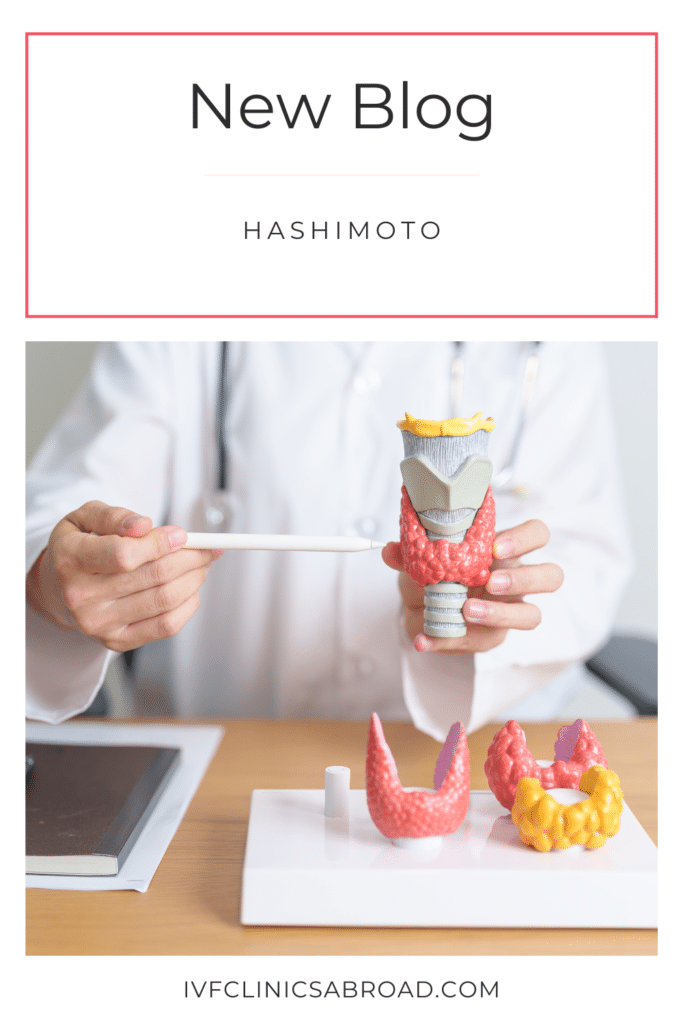
What hypothyroidism means for women trying to get pregnant
Hypothyroidism simply means that your thyroid gland is underactive and does not make enough thyroid hormones. This can happen for several reasons, but in most women it is due to Hashimoto’s thyroiditis, an autoimmune condition where the body’s own antibodies slowly attack the thyroid tissue. Over time, this reduces hormone production and can disturb ovulation and implantation.
If you notice signs like tiredness, unexplained weight gain, dry skin or feeling unusually cold, it might be worth checking your TSH and thyroid hormone levels. When these levels are too low or too high, your body receives confusing signals, which can make it harder to conceive or maintain a pregnancy.
The role of thyroid hormones in conception and early pregnancy
Thyroid hormones play a quiet but powerful role in the early stages of pregnancy. They support the development of the embryo and help the uterus prepare for implantation. In the first weeks after conception, the baby depends entirely on the mother’s thyroid hormones until its own thyroid starts to work.
If your thyroid hormone levels are not well balanced during this time, it can increase the risk of miscarriage or slow down early embryo growth. This is why fertility specialists often check thyroid function before treatment. The aim is to make sure your body has enough thyroid hormone to support a healthy pregnancy from the very beginning.
“Even a small thyroid imbalance can have a big impact on fertility. The good news is, once treated, your chances of pregnancy can quickly return to normal.“
Nathalie Wiederkehr
Subclinical hypothyroidism and pregnancy
Not every thyroid problem shows clear symptoms. Subclinical hypothyroidism means that your thyroid hormone levels are still within the normal range, but your TSH level is already higher than it should be. In simple terms, the thyroid gland is starting to struggle, even if blood tests still look “almost normal”. Many women in this situation feel fine, yet their fertility can already be affected.
Subclinical hypothyroidism is quite common in women of reproductive age and can make it harder to get pregnant or to carry a pregnancy to term. Because the symptoms are mild or absent, it often goes unnoticed until routine tests reveal it.
Why subclinical hypothyroidism often goes unnoticed
Unlike typical hypothyroidism, subclinical forms do not always cause visible changes in weight, mood or energy. You might simply feel “a bit off” or tired without knowing why. This is why fertility clinics and endocrinologists often include thyroid function tests early in the diagnostic process. Detecting even a mild thyroid imbalance can make a difference, especially when you are planning IVF or egg donation.
A slightly elevated TSH level may sound harmless, but studies have shown that women with untreated subclinical hypothyroidism have a higher risk of miscarriage and reduced embryo implantation rates. Adjusting thyroid hormone levels before conception can help to prevent these risks.
How it can affect fertility and early miscarriage risk
When thyroid hormones are not perfectly balanced, the body receives mixed messages about ovulation and hormone production. This can disrupt the menstrual cycle or affect the quality of the uterine lining, which makes it more difficult for an embryo to implant.
In early pregnancy, even a mild thyroid dysfunction can interfere with the embryo’s development, as thyroid hormones are vital during the first half of pregnancy. Women with subclinical hypothyroidism who receive the right levothyroxine treatment usually achieve better outcomes and lower miscarriage rates. Regular testing and gentle dose adjustments are key to maintaining a healthy balance throughout pregnancy.
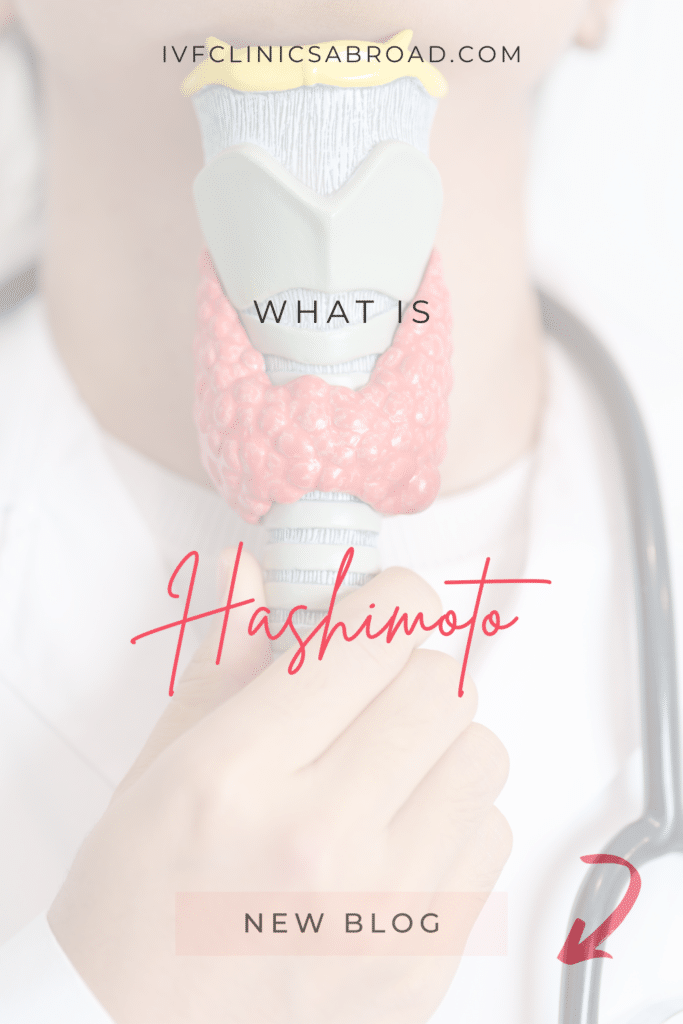


How thyroid disease affects pregnancy
During pregnancy, your body needs to produce more thyroid hormone than usual to meet the needs of both you and your baby. If the thyroid gland cannot keep up, hormone levels drop and this can affect how the placenta works, how the baby grows, and how your own body adapts to pregnancy.
Women with thyroid disease, especially hypothyroidism or Hashimoto’s, often need a higher dose of levothyroxine once they become pregnant. Regular blood tests help to make sure thyroid levels stay in the optimal range. The goal is simple – to support a healthy pregnancy from the very first weeks until birth.
The connection between thyroid levels and healthy pregnancy
Thyroid hormones are involved in almost every step of a healthy pregnancy, from the first days of implantation to the development of the baby’s brain. Low levels of thyroid hormone or a high TSH level can increase the risk of miscarriage, preterm birth or complications such as preeclampsia.
That’s why doctors usually monitor thyroid function closely during pregnancy, especially in women with a history of autoimmune thyroiditis or previous pregnancy loss. Balancing thyroid levels is one of the easiest and most effective ways to protect both mother and baby.
What happens when thyroid disease affects pregnancy outcomes
If hypothyroidism remains untreated or is poorly controlled, it may cause fatigue, swelling, high blood pressure or slower baby growth. In some cases, untreated hypothyroidism can also affect milk production after birth or cause postpartum depression.
For women with autoimmune thyroid disease, antibodies can sometimes cross the placenta, which may influence the baby’s thyroid function for a short period. However, this usually resolves after birth. The most important step is to identify thyroid problems early and treat them properly with levothyroxine, so that both mother and child can stay healthy throughout pregnancy.
Symptoms of hypothyroidism
Thyroid problems can develop slowly, which is why many women do not notice the symptoms right away. What starts as feeling tired or a little less focused can gradually turn into something that affects your mood, metabolism and fertility. Recognising the early signs of hypothyroidism is the first step toward getting the right treatment.
Even mild thyroid dysfunction can affect how your body uses energy and how your hormones stay in balance. Understanding these signs can help you speak to your doctor sooner and prevent further complications, especially if you are trying to conceive.
Early signs of thyroid imbalance that may impact fertility
The most common symptoms of hypothyroidism include tiredness, unexplained weight gain, feeling cold when others are not, dry skin, brittle hair and slower thinking. Some women also notice constipation, a lower mood or a hoarse voice. Because these symptoms develop slowly, they are often mistaken for stress, ageing or poor sleep.
For women who are trying to get pregnant, one important sign is a change in the menstrual cycle. Periods may become heavier, longer or irregular, and ovulation may not happen every month. These changes are the body’s way of signalling that the thyroid hormone levels are not in balance.
When to test for thyroid hormone levels
If you have any of these symptoms, or if you have been trying to get pregnant for several months without success, it is worth asking for a thyroid function test. This simple blood test measures TSH and free thyroid hormones (T3 and T4). A slightly elevated TSH level can already indicate that the thyroid gland is under strain.Women with a family history of thyroid disease, previous miscarriage or autoimmune conditions are often advised to have their thyroid checked early. The results can show whether you need treatment or just closer monitoring. Early detection makes it much easier to restore normal thyroid function and support fertility before pregnancy.


Managing hypothyroidism in pregnancy
Once you are pregnant, your body needs more thyroid hormone to support both your own metabolism and the baby’s growth. The thyroid gland works harder during pregnancy, and if it cannot produce enough hormone, your doctor will usually adjust your levothyroxine dose. This is completely normal and helps to keep your thyroid hormone levels stable throughout pregnancy.
Women who already take levothyroxine before pregnancy are often advised to increase the dose as soon as they find out they are expecting. Your doctor will guide you through this and check your blood levels regularly to make sure the adjustment is right for you and your baby.
Adjusting thyroid medication for a healthy pregnancy
During pregnancy, your hormone needs can change from one trimester to the next. Most doctors check TSH and thyroid hormone levels every four to six weeks, especially in the first half of pregnancy. This helps to prevent both under- and overtreatment.
It is important not to change your dose on your own. Even though levothyroxine is safe for both you and your baby, small changes can make a big difference. If you feel unusually tired, anxious or notice other changes in your symptoms, talk to your doctor. With careful monitoring, most women with hypothyroidism have completely normal pregnancies and healthy babies.
Monitoring thyroid levels during each trimester
The goal during pregnancy is to keep thyroid levels within the target range recommended by the American Thyroid Association. These targets are slightly lower than outside of pregnancy because your body is under different hormonal demands. Regular testing is the best way to make sure your treatment stays on track.
If you are being treated for hypothyroidism due to Hashimoto’s disease, your doctor may also monitor thyroid antibodies, as autoimmune activity can fluctuate during pregnancy. Some women notice that their symptoms improve during these months, while others need a slightly higher dose of medication. The most important thing is to stay consistent with your medication and follow-up tests.
Treatment and prevention
Hypothyroidism can be well controlled with the right medication and a few lifestyle adjustments. The most common treatment is levothyroxine, a synthetic form of the thyroid hormone T4. It replaces what your thyroid gland cannot produce and helps to restore normal thyroid function. Once the right dose is found, most women feel their energy return, their cycle stabilises, and their chances of getting pregnant improve.
Even though treatment is usually straightforward, the process takes patience. It can take several weeks for hormone levels to stabilise, and regular follow-up blood tests are important to make sure everything stays balanced.
When to see a fertility or thyroid specialist
If you have been diagnosed with hypothyroidism or Hashimoto’s disease and want to become pregnant, it is best to see both an endocrinologist and a fertility specialist. They can work together to find the right thyroid hormone levels before you conceive and throughout pregnancy.
Women who have experienced miscarriage, irregular cycles or unexplained infertility should always have their thyroid checked as part of their fertility workup. Early treatment for hypothyroidism, even when it is mild, can make a big difference in achieving and maintaining a healthy pregnancy. With good monitoring and the right care, women with thyroid disorders can and do have successful pregnancies every day.
Why treating hypothyroidism matters for fertility and pregnancy
When hypothyroidism is not recognised or left untreated, it may cause more than just tiredness or mood changes. Low thyroid hormone levels can interfere with ovulation, affect the menstrual cycle and reduce the chances of becoming pregnant. In some cases, the disease often leads to hypothyroidism due to Hashimoto’s disease, an autoimmune disease that affects the thyroid gland and slows down the production of thyroid hormones.
Women with hypothyroidism or mild hypothyroidism can still have normal pregnancies when the disease is treated properly. The treatment for hypothyroidism is simple – hormone replacement with levothyroxine, which restores normal thyroid function and helps maintain enough thyroid hormone throughout pregnancy.
Doctors usually monitor the thyroid stimulating hormone (TSH) to make sure the medication dose stays right. A thyroid function test shows whether your thyroid hormone levels are balanced and if your thyroid gland is responding well. For a pregnant woman, these checks are essential, especially during pregnancy and in the first half of pregnancy when the baby fully depends on the mother’s thyroid hormones.
An underactive thyroid, especially hypothyroidism from Hashimoto’s disease, can cause problems during pregnancy if it remains untreated. However, when you make sure your hypothyroidism is under control before trying to get pregnant, you greatly reduce the risk of miscarriage and support a healthy pregnancy from the very start. With good care, most women with Hashimoto’s thyroiditis or other thyroid disorders go on to have normal pregnancies and healthy babies.
Finding the right support on your fertility journey
If you are unsure where to start, you do not have to go through this alone. Every woman’s situation is unique, and sometimes the most important step is simply understanding which treatments are possible and where you might feel most comfortable.
In my IVF Guide, you will find a clear overview of fertility treatments available in different European countries, including egg and embryo donation, IVF with own eggs and treatment options for single women and couples. The guide also includes average prices and success rates, so you can compare destinations with realistic expectations.
If you prefer personal guidance, I also offer one-to-one consultations. Together we can look at your story, your medical background and what you hope for, and I can help you identify trustworthy clinics that match your needs.