Understanding PCOS and Fertility: How Polycystic Ovary Syndrome Affects Your Chance to Conceive
Many women first hear the term polycystic ovary syndrome when they start trying to conceive. Cycles that never seem to follow a pattern, unexpected skin or hair changes, or months of guessing when ovulation might happen often lead to that moment in the doctor’s office when PCOS is mentioned for the first time. It can sound worrying, but understanding PCOS is the best way to take back a sense of control.
PCOS is a complex condition, sometimes known as polycystic ovary syndrome. It affects women of reproductive age and is one of the most common causes of fertility struggles. PCOS can affect how the ovaries and hormones communicate, which in turn influences fertility. The body still produces eggs, but the timing can be irregular, and the messages between brain and ovary sometimes lose rhythm. This doesn’t mean you cannot get pregnant. Many women with PCOS conceive naturally once their hormones stabilise and ovulation becomes more predictable.
For some, that balance happens through lifestyle changes, for others with medical support. What matters most is knowing what PCOS actually is, why it happens, and how it influences fertility. That knowledge makes every next step less confusing.
What Is PCOS and How It Affects Fertility
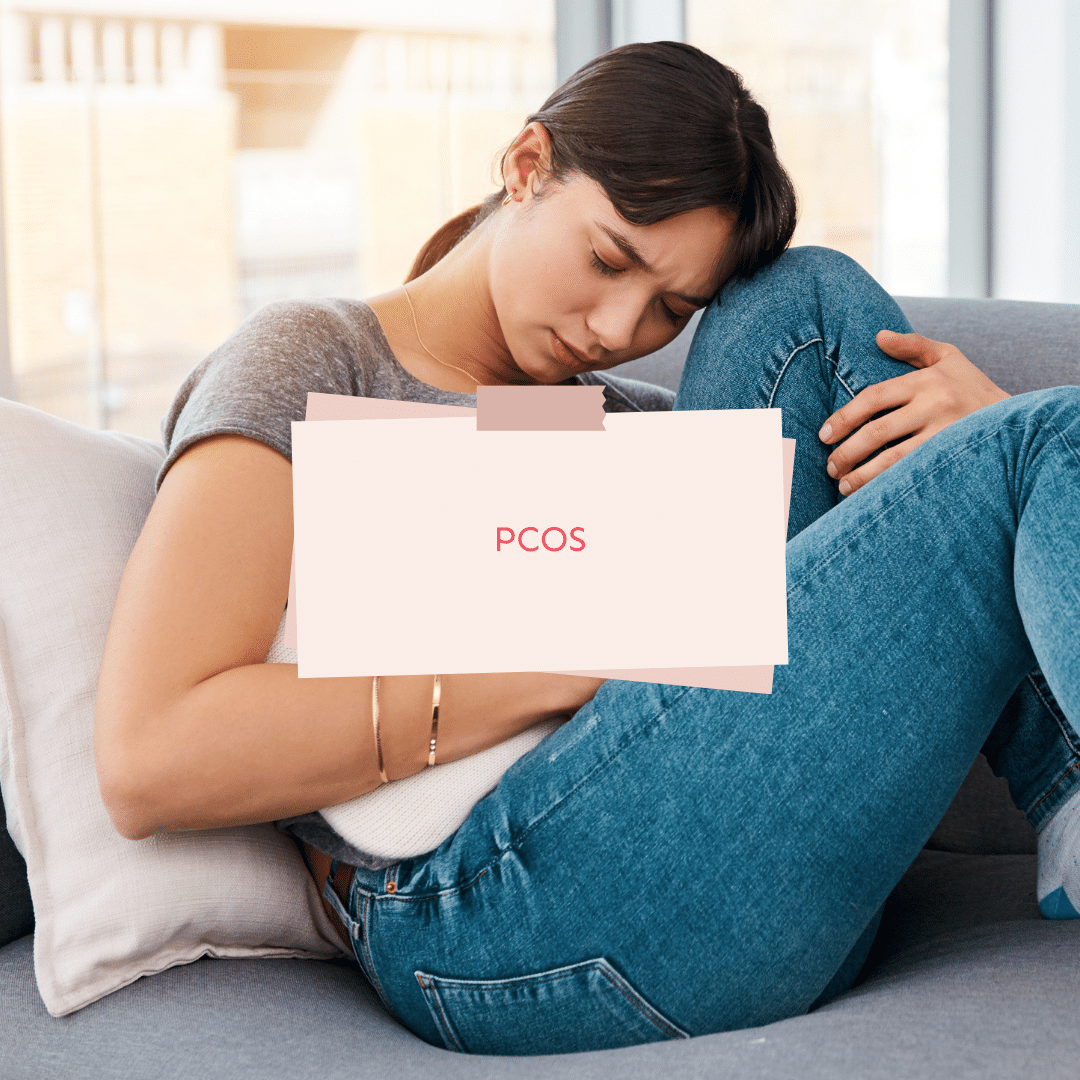
When doctors make a PCOS diagnosis, they usually combine blood tests with ultrasound findings and symptom patterns. Common symptoms include irregular or absent periods, acne, hair growth on the face or body, and weight gain. Because symptoms can vary widely, many people with PCOS discover they have it only after struggling to conceive.
PCOS is associated with both hormonal and metabolic factors, which can affect long-term health if left unmanaged. Normally, hormones from the brain tell the ovaries when to mature and release an egg. In PCOS, these messages are disrupted by higher levels of androgens and sometimes insulin resistance. As a result, eggs may not be released regularly, and the tiny follicles visible on ultrasound stay underdeveloped instead of maturing into an egg ready for fertilisation.
Because the cycle becomes unpredictable, some women notice months without bleeding, others have short or irregular periods. These irregular patterns make it harder to know when ovulation happens, which naturally affects fertility. PCOS also influences other parts of the body: energy levels, skin condition, mood, and how blood sugar is processed. That is why it is seen as both a reproductive and a metabolic condition.
While PCOS can make getting pregnant take longer, it does not mean infertility. Women with PCOS can and do conceive, especially when treatment addresses the underlying hormonal imbalance. With a clear diagnosis and support from a fertility specialist, it is possible to regulate cycles and improve the chances of conceiving naturally or through assisted treatment.
Understanding how hormones and the ovary shape ovulation
Hormones are like the body’s communication network. In a regular cycle, follicle-stimulating hormone helps eggs grow, and luteinising hormone triggers ovulation. When those signals are disturbed, ovulation may not occur, or it may happen later than expected. In PCOS, excess androgens and insulin resistance can make the ovaries less responsive, which means eggs are not released as regularly. Balancing hormones helps the ovaries return to a steadier rhythm, often restoring natural ovulation over time. Fertility factors such as insulin levels, stress, and body weight all play a role in how well this balance is maintained.
Common symptoms women with PCOS often notice
Symptoms like fatigue, acne, thinning scalp hair or unwanted hair growth can be early signs of hormonal imbalance. Many patients with PCOS notice that these symptoms improve once blood sugar levels stabilise and hormones begin to regulate again. PCOS may look different from one woman to another, and that is why individual treatment is important. Treating PCOS involves managing symptoms and focusing on both metabolic and reproductive health.
Why irregular or absent periods lower the chance to conceive
When periods are irregular or stop completely, it usually means ovulation is not happening regularly. Without the release of a mature egg, conception cannot occur. That unpredictability is what makes getting pregnant harder, not a lack of eggs. PCOS can make getting pregnant difficult because it influences egg maturation and the lining of the uterus. Once hormone levels are balanced and cycles begin to regulate, the chance of conception rises significantly. Many patients with PCOS go on to conceive once ovulation is supported through gentle treatment options and lifestyle adjustments.
“Many women with PCOS conceive once they understand their cycle, trust the process, and get the right support.“
Nathalie Wiederkehr
How PCOS Changes Ovulation and Your Chance to Conceive
Ovulation is the centre of every fertility journey. It is when an egg is released from the ovaries and becomes available for fertilisation. In women with PCOS, this release does not always follow the usual rhythm. Hormonal and metabolic changes, especially insulin resistance, can prevent ovulation or make it unpredictable. This irregular timing often leads to frustration when trying to conceive, but it is one of the most treatable aspects of PCOS.Because PCOS can affect both hormone balance and metabolism, it also impacts fertility through changes in blood sugar and insulin. Managing these elements helps improve ovulation and restore natural cycles.
Fertility factors that influence egg release and timing
Each month, several follicles start to grow, but usually only one matures enough to release an egg. In PCOS, high androgen levels can interfere with that process. Eggs may stop developing or fail to be released from the ovaries. These small changes add up, reducing the number of opportunities for conception. Once hormonal balance is restored, egg release becomes more regular, and many women conceive without further intervention.
Insulin resistance and blood sugar, why they matter for fertility
Insulin resistance plays a major role in how PCOS affects fertility. When the body produces more insulin to control blood sugar, the ovaries respond by producing extra androgens. This chain reaction disrupts ovulation. Keeping blood sugar stable through nutrition, exercise, and sometimes medication can lower androgen levels and help regulate cycles. Even small lifestyle adjustments can help regulate hormones and improve fertility factors more than most people expect.
When PCOS leads to fertility challenges and infertility
Not every woman with PCOS faces infertility, but irregular ovulation and hormonal imbalance can make conception take longer. It may take more time to identify fertile days, or cycles may pass without ovulation at all. The good news is that PCOS responds well to fertility care. Treatments like ovulation induction or IVF can help women with PCOS conceive, and many go on to enjoy healthy pregnancies. Working with a fertility specialist who understands PCOS ensures your treatment plan fits your needs and avoids unnecessary medication.
Trying to Conceive with PCOS
Trying to conceive with PCOS can feel like starting a journey without a clear map. You might track your cycle carefully, only to find that ovulation comes later than expected or not at all. This unpredictability is one of the most common fertility challenges women with PCOS face when trying to conceive. Still, PCOS doesn’t mean infertility. It simply means the body needs more support to find its rhythm again.
Understanding how your body reacts to hormones, stress, and daily habits helps you recognise your fertile signs more clearly. Every woman’s PCOS experience is unique, which is why there is no single approach that works for everyone. Some respond well to gentle lifestyle changes, others benefit from medical support, and many combine both. Even small improvements can help regulate ovulation and increase the chances of conceiving naturally.
Lifestyle changes that support hormone balance and ovulation
Lifestyle changes are often the first step in managing PCOS and improving fertility. Balanced meals that stabilise blood sugar, regular physical activity, and better sleep all help regulate hormones. Even a modest change in weight can influence how well the body releases eggs. It is not about dieting or restriction but about creating a routine that supports your hormonal balance. Many women notice their cycles become more regular once they combine healthy habits with stress reduction, as high stress levels can also affect ovulation.
How to track ovulation with irregular cycles when trying to conceive
Tracking ovulation with PCOS can feel confusing, especially when cycles vary from month to month. Instead of relying only on standard ovulation tests, it can help to observe body temperature, cervical mucus, and physical signs such as mild cramps or mood changes. Some women find digital fertility monitors or blood tests more accurate when cycles are unpredictable. The goal is not perfection but awareness: recognising when your body is preparing to release an egg. Over time, you will see patterns that make it easier to plan or discuss the next steps with your fertility clinic.
Improving your chances of getting pregnant with PCOS
If you have been trying to conceive for a year or more, or if cycles remain unpredictable, working with a fertility specialist can be very helpful. Treating PCOS is not about finding a quick cure but about managing symptoms and supporting natural ovulation. Some fertility clinics use mild fertility medications to help eggs mature more regularly, especially for patients with PCOS who do not ovulate on their own. Many women with PCOS respond well to this type of advanced fertility support and go on to conceive naturally.
When PCOS Makes It Harder to Conceive, Knowing When to Seek Help
For some women, lifestyle changes and mild treatments are enough to restore regular ovulation. For others, the cycle remains unpredictable, and conception does not happen despite careful timing. If you have been trying to conceive with PCOS for a year or more, it might be time to seek help. Early support can make a big difference, especially when insulin resistance or other metabolic factors are involved. A clinic experienced in treating patients with PCOS can design a personalised plan, balancing gentle hormonal stimulation with careful monitoring to avoid overstimulation.
Understanding your treatment options helps you stay confident and informed. IVF is not always the first step, but it can be effective when ovulation induction does not lead to pregnancy. Clinics that regularly treat PCOS patients know how to adapt medication safely, improving outcomes while reducing risks.
Taking the Next Step in Your Fertility Journey
PCOS can feel overwhelming, but it is one of the most treatable causes of infertility. With clear information, realistic expectations, and expert care, most women eventually conceive. The key is to find a clinic that truly understands how PCOS affects fertility and tailors treatment accordingly.
If you would like to know which clinics in Europe offer the best fertility treatment options for women with PCOS, my IVF Guide explains where specific procedures are available, including average prices and success rates. You will also find information about clinics in Northern Cyprus and other destinations that specialise in fertility care for patients with PCOS.
If you prefer personal guidance, you can book a one-to-one consultation to discuss your situation and find trustworthy clinics that understand your needs and your fertility journey.